Take Back the Remote: Why Building Your Own Entertainment Feed Beats the Algorithm Every Time
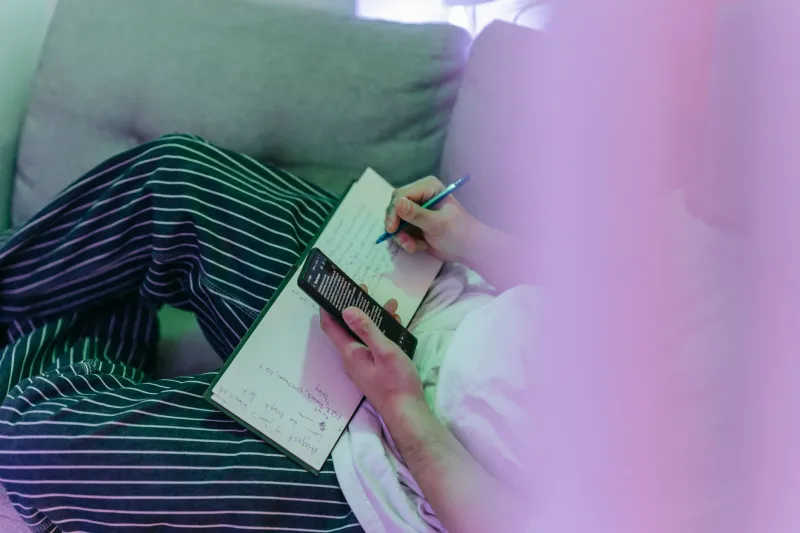
There's a quiet kind of joy in pulling out a handwritten list of movies you've been meaning to watch for months. Not because the app nudged you. Not because it was trending. Just because you decided it mattered. That feeling — small, almost embarrassing in its simplicity — is actually pointing at something pretty significant about how we experience entertainment and, honestly, how we experience ourselves.
We live in the golden age of algorithmic convenience. Netflix knows your taste. Spotify predicts your mood. YouTube has already queued up the next thing before you've finished the current one. And yet, a growing number of people are quietly stepping off that conveyor belt and doing something radical: choosing for themselves.
Turns out, that choice is doing a lot more for your mental health than the algorithm ever could.
The Psychology of Picking Your Own Fun
There's a concept in psychology called autonomy, and it's one of the three core human needs identified by self-determination theory — alongside competence and relatedness. When you feel like you're in control of your own decisions, your brain registers that as deeply satisfying, independent of whether the outcome is even that great.
Apply that to your couch time and it gets interesting fast. When an algorithm serves you a show and you end up loving it, you feel lucky. When you tracked down that same show — dug it out of a Reddit thread, added it to a personal list three months ago, finally set aside a Friday night for it — you feel something closer to pride. The content is identical. The psychological payoff is completely different.
Researchers who study leisure and well-being consistently find that intentional leisure — the kind you actively shape and choose — produces higher satisfaction than passive consumption. The act of curating isn't just prep work. It's part of the experience itself.
Your Watchlist Is a Self-Portrait
Here's something worth sitting with: the entertainment you choose to seek out, before anyone told you to, says something real about who you are. The algorithm reflects your past behavior back at you. Your personal curation reflects your aspirations, your curiosity, the version of yourself you're leaning toward.
That distinction matters more than it sounds. When you build a playlist or a watchlist from scratch — pulling from a documentary your coworker mentioned, a film series you read about in a newsletter, a podcast your favorite author recommended — you're doing something constructive with your leisure time even before you hit play. You're building a little map of your own interests.
At MeTimeBox, we talk a lot about the idea that your personal time deserves intention. Not every waking hour, not in an exhausting productivity-bro kind of way, but in the sense that the hours you spend unwinding can actually mean something when you approach them with even a little bit of design.
Your curated watchlist? That's design. Small-scale, totally personal, and genuinely yours.
The Niche Community Effect
One of the underrated pleasures of curating your own entertainment diet is the rabbit holes it sends you down. When you stop outsourcing your taste to an algorithm, you start following threads — niche subreddits, Letterboxd lists, Substack newsletters written by obsessive film nerds, Discord servers full of people who care deeply about a very specific genre of music you didn't know you loved.
These communities do something the algorithm fundamentally cannot: they give your entertainment choices social texture. You're not just watching; you're part of a conversation, even if it's an asynchronous one. Someone wrote a list. You found it. You followed their taste into something you'd never have discovered otherwise. That's a human connection, mediated by shared passion.
And the recommendations you get from those places tend to hit differently. They come with context, with enthusiasm, with the implicit endorsement of someone who genuinely cares rather than a system that's optimizing for your engagement time.
How to Actually Start Curating (Without Making It a Project)
The irony of intentional curation is that it can start to feel like homework if you're not careful. The goal isn't to turn your downtime into a second job. Here's how to keep it light:
Start one list and make it messy. A note on your phone, a Letterboxd account, a sticky note on your monitor — doesn't matter. Just start capturing things when you hear about them, without pressure to organize or prioritize.
Follow one human taste-maker. Find one person — a critic, a creator, a friend with inexplicably good recommendations — and pay attention to what they're into. Let their enthusiasm lead you somewhere new.
Give yourself a theme. Once a month, pick a loose theme for your entertainment: a director's full catalog, a specific decade, a country's film scene, a genre you've never really given a shot. It turns passive watching into something that feels cohesive and personal.
Protect your list from the algorithm. When you sit down to watch something, try reaching for your own list first — before you open the homepage and let the recommendations take over. It sounds tiny. It changes everything.
The Satisfaction Is in the Ownership
Here's the real thing: the algorithm will always be smarter than you at pattern-matching your behavior. It has more data, more processing power, and a financial incentive to keep you watching. It's very good at its job.
But it will never know why you cried at that one episode of a show you stumbled onto at 11pm on a Tuesday. It won't understand why certain music makes you feel like a version of yourself you forgot existed. It can't replicate the specific satisfaction of finally getting around to something you chose, deliberately, weeks ago.
That ownership — that sense that your entertainment life is yours — is worth more than the most accurate recommendation engine on the planet. It's the difference between being served and being engaged. Between consuming and actually living your leisure time.
So yeah. Take back the remote. Build the list. Follow the weird niche newsletter. Watch the thing you chose, for the reasons you chose it.
Your me-time deserves that much.